How Easy Is It to Assemble a DIY Wall Bed?


Space is becoming increasingly valuable in Canadian homes. Whether you’re living in a downtown Montreal condo, a Toronto apartment, a Vancouver townhouse, or a family home in Quebec City, making the most of every square foot matters.
That’s one reason DIY wall beds have become so popular across Canada. A wall bed—often called a Murphy bed—can instantly transform a guest room, home office, or studio apartment into a multifunctional space. But before buying a kit, many homeowners ask the same question:
How easy is it to assemble a DIY wall bed?
The short answer is that most modern DIY wall bed kits are significantly easier to assemble than many people expect. If you can build IKEA furniture, use common household tools, and follow instructions carefully, there’s a good chance you can successfully assemble a DIY wall bed.
However, the level of difficulty depends on several factors, including the type of wall bed, the quality of the kit, your experience with tools, and whether you have help during installation.
In this guide, we’ll walk through everything Canadian homeowners need to know before deciding whether to tackle a DIY Murphy bed project.
Table of Contents
Why DIY Wall Beds Are Growing in Popularity Across Canada?
Canadians are increasingly looking for furniture that serves multiple purposes.
Over the last decade, housing costs have risen while average living spaces have become smaller, particularly in major urban centres such as Montreal, Toronto, Vancouver, Ottawa, and Calgary.
As a result, homeowners and renters alike are searching for practical solutions that maximize usable space without sacrificing comfort.
A DIY wall bed offers several advantages:
- Creates a multifunctional room
- Frees up floor space during the day
- Costs less than many custom-built solutions
- Can often be installed in a weekend
- Provides a permanent sleeping solution for guests
- Improves the functionality of condos and small homes
For many Canadians, assembling a wall bed themselves can save hundreds—or even thousands—of dollars in installation costs.
What Exactly Is a DIY Wall Bed Kit?
A DIY wall bed kit is a package that includes the hardware and structural components required to build and install a Murphy bed.
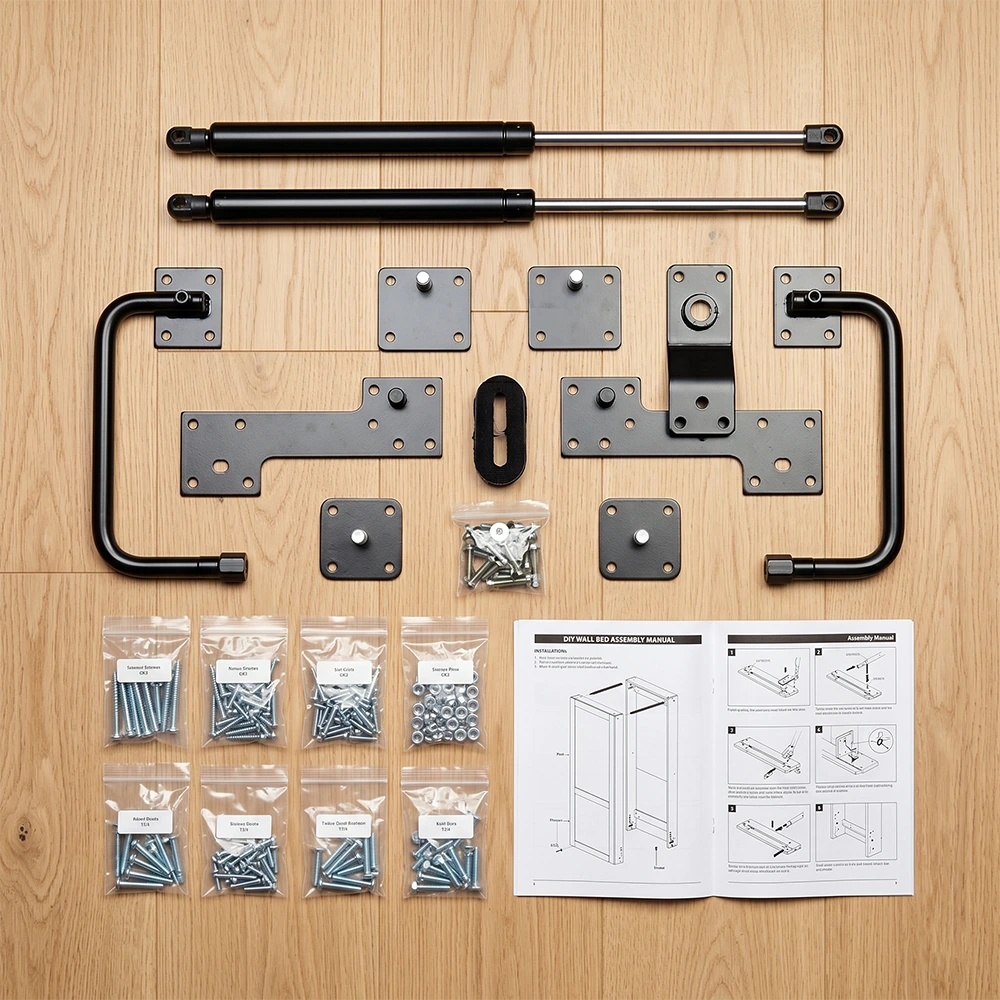
Depending on the manufacturer, the kit may include:
- Lift mechanism
- Gas pistons or spring system
- Mounting hardware
- Pivot brackets
- Assembly instructions
- Safety components
Some kits include pre-cut cabinetry panels, while others require you to purchase and cut your own wood.
The easier the kit is to assemble, the more likely it is to include:
- Pre-drilled holes
- Numbered parts
- Step-by-step instructions
- Video tutorials
- Detailed diagrams
Premium Canadian wall bed manufacturers have invested heavily in making installation more accessible for average homeowners.
Is Assembling a DIY Wall Bed Difficult?
For most homeowners, assembling a DIY wall bed falls somewhere between building a large wardrobe and installing kitchen cabinetry.
It’s not usually considered an advanced construction project, but it does require patience and attention to detail.
The difficulty level can generally be broken down into three categories.
Beginner-Friendly Kits
These kits are designed for homeowners with limited DIY experience.
Features often include:
- Pre-cut panels
- Pre-drilled components
- Simplified hardware systems
- Illustrated instructions
Assembly difficulty: Easy to Moderate
Estimated installation time: 4–8 hours
Intermediate DIY Kits
These kits require a bit more measuring and assembly work.
Homeowners may need to:
- Align structural components
- Install cabinet sections
- Mount hardware accurately
- Secure the unit to wall studs
Assembly difficulty: Moderate
Estimated installation time: 6–12 hours
Advanced DIY Wall Bed Projects
Some Murphy bed systems are designed for experienced woodworkers.
These projects may require:
- Cutting plywood
- Cabinet construction
- Custom measurements
- Advanced tools
Assembly difficulty: Moderate to Difficult
Estimated installation time: 1–3 days
What Tools Do You Need?
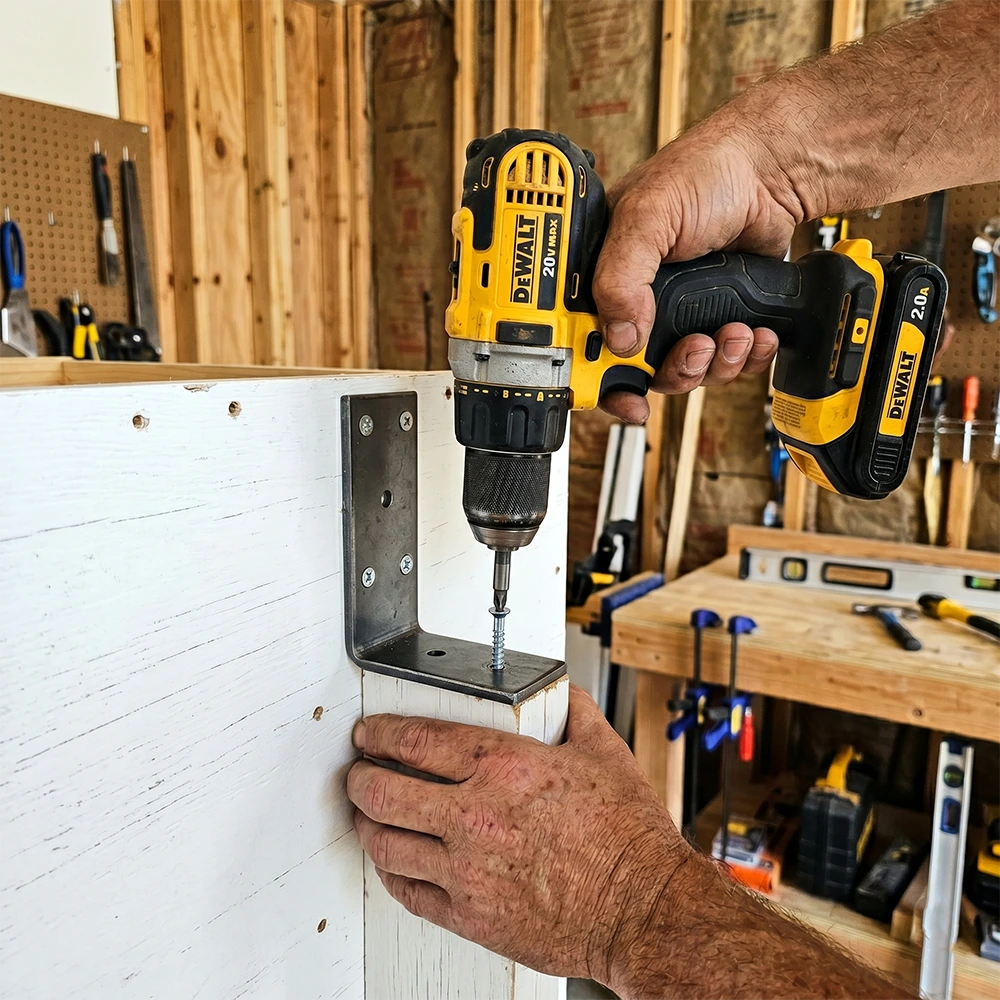
One of the reasons DIY wall beds appeal to Canadian homeowners is that they don’t require specialized construction equipment.
Most installations can be completed with common household tools.
Typical tools include:
- Power drill
- Screwdriver set
- Stud finder
- Measuring tape
- Level
- Adjustable wrench
- Pencil
- Socket set
- Safety glasses
Some manufacturers may recommend additional tools depending on the model.
Before beginning installation, it’s important to review the instruction manual and ensure all required tools are available.
How Long Does It Take to Assemble a DIY Wall Bed?
The answer depends largely on preparation and experience.
A first-time installer should generally expect:
| Installation Stage | Estimated Time |
|---|---|
| Unpacking Components | 30–60 minutes |
| Organizing Parts | 30 minutes |
| Cabinet Assembly | 2–4 hours |
| Hardware Installation | 1–2 hours |
| Wall Mounting | 1–2 hours |
| Final Adjustments | 30–60 minutes |
Total estimated time: 6–10 hours for most DIY wall bed kits.
Many Canadian homeowners choose to split the project across a weekend.
Saturday:
- Assemble cabinet
- Install hardware
Sunday:
- Mount unit
- Test operation
- Complete adjustments
This approach reduces fatigue and helps prevent mistakes.
Why Are Two People Needed to Install a DIY Wall Bed?
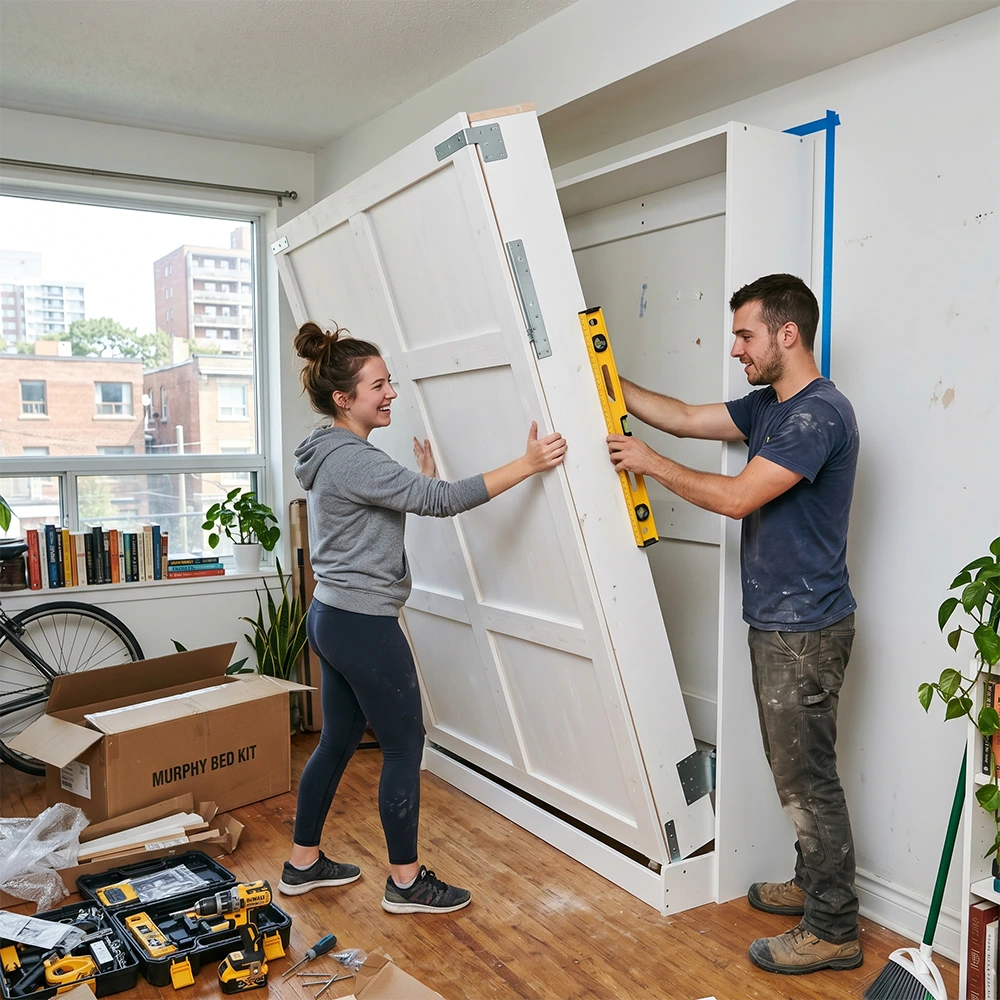
One of the biggest mistakes homeowners make is attempting to assemble a Murphy bed entirely alone.
While some smaller systems can technically be installed by one person, having a second helper offers significant advantages.
Benefits include:
- Easier lifting of large panels
- Faster assembly
- Improved alignment
- Enhanced safety
- Reduced risk of damage
Wall bed cabinets are often heavy and awkward to maneuver.
Many manufacturers specifically recommend a two-person installation process.
For homeowners in Montreal condos or narrow urban homes, an extra set of hands can make a dramatic difference.
Common Challenges During Assembly
Most DIY wall bed installations go smoothly, but there are several challenges that frequently arise.
Understanding these beforehand can help avoid frustration.
Finding Wall Studs
A wall bed must be securely anchored.
Incorrect stud placement is one of the most common installation mistakes.
Always use a quality stud finder and verify measurements before drilling.
Leveling the Cabinet
Even slight floor irregularities can affect operation.
If the cabinet is not level, the bed may not open or close properly.
Using a long level throughout installation helps prevent issues later.
Understanding the Lift Mechanism
The lifting system is the heart of any Murphy bed.
Whether it uses springs or gas pistons, installation must follow manufacturer specifications exactly.
Rushing through this step can lead to poor performance.
Managing Large Components
Cabinet panels can be bulky, especially in smaller Montreal apartments or condo hallways.
Before delivery, measure:
- Doorways
- Hallways
- Stairwells
- Elevators
Planning ahead prevents unpleasant surprises during installation.
Are DIY Wall Bed Instructions Easy to Follow?
This depends heavily on the manufacturer.
High-quality Canadian wall bed brands typically provide:
- Detailed instruction manuals
- Step-by-step illustrations
- Installation videos
- Online support
- Customer service assistance
When evaluating a DIY wall bed kit, reviewing available instructions beforehand can be extremely helpful.
A company that invests in quality documentation often provides a smoother installation experience overall.
DIY Wall Bed vs Professional Installation
Many Canadians debate whether assembling a Murphy bed themselves is worth the effort.
Let’s compare both options.
DIY Installation
Advantages:
- Lower overall cost
- Personal satisfaction
- Flexible schedule
- Better understanding of the product
Disadvantages:
- Time commitment
- Learning curve
- Responsibility for mistakes
Professional Installation
Advantages:
- Faster completion
- Reduced risk
- Expert setup
Disadvantages:
- Additional labour costs
- Scheduling requirements
- Less hands-on control
For homeowners who are reasonably comfortable with tools, DIY installation often provides excellent value.

Which Rooms Are Best for a DIY Wall Bed?
One reason DIY Murphy beds are so popular in Canada is their versatility.
They work well in:
Home Offices
Remote work continues to be common across Canada. A wall bed allows a home office to become a guest room within seconds.
Guest Bedrooms
Many families prefer maintaining flexible guest accommodations without dedicating an entire room solely to visitors.
Studio Apartments
Montreal and Toronto studio residents often rely on Murphy beds to maximize living space.
Vacation Properties
Cottages and recreational properties can benefit from flexible sleeping arrangements.
Basements
Finished basements are ideal locations for wall bed installations because they often serve multiple functions.
FAQ: Assembling & Building a DIY Wall Bed
How long does it take to assemble a Murphy bed?
On average, it takes between 6 to 10 hours to fully assemble and install a DIY Murphy bed kit. Beginner-friendly kits with pre-cut, pre-drilled cabinetry usually take 4 to 8 hours, while intermediate kits can take up to 12 hours. Because the project involves both building the cabinet and anchoring the heavy lift mechanism to your wall studs, most Canadian homeowners choose to split the assembly over a standard two-day weekend.
How do I assemble and install a DIY wall bed?
While exact engineering varies by brand, how to assemble a wall bed generally follows five sequential steps:
Inventory & Sorting: Unpack and organize all numbered wooden panels and hardware.
Cabinet Assembly: Build the outer open-faced wooden casing (the “bed box”) on the floor.
Hardware Mounting: Attach the pivot brackets and the lift mechanism (gas pistons or heavy-duty metal spring systems) to the inner cabinet walls.
Bed Frame Assembly: Construct the inner metal or wooden bed frame that will actually hold the mattress.
Wall Anchoring: Using a stud finder and a long level, securely drill the master frame into your home’s wall studs before attaching the face panels.
Is there an official Murphy bed kit at IKEA?
No, IKEA does not sell an all-in-one Murphy bed kit or a dedicated fold-down wall bed system in Canada. While many DIYers attempt “IKEA hacks” online—usually by attempting to convert a standard PAX wardrobe into a wall bed—this requires purchasing separate, specialized third-party pivot hardware. Because PAX frames are made of particleboard and are not structurally engineered to withstand the extreme, repetitive pulling tension of heavy gas springs, purchasing a dedicated DIY wall bed kit is a much safer, more durable option.
Can I build a DIY Murphy bed cheap without a kit?
Yes, you can build a Murphy bed without a kit by purchasing your own raw plywood, but it is classified as an advanced woodworking project. To do this cheaply, you have to source your own lumber, make precise custom cuts, and buy a standalone “hardware-only” Murphy bed hinge system. If your goal is simply to save money compared to a $4,000 custom-built showroom bed, buying a flat-pack DIY Murphy bed kit is the safest middle ground; it gives you the massive cost savings of DIY without the high-stakes risk of miscalculating the physics of a 150-lb falling wooden frame.
Where can I find free Murphy bed plans in a PDF download?
There are several reputable online woodworking communities and hardware manufacturers that offer a free Murphy bed plans PDF, including cut-lists for both vertical and DIY horizontal Murphy bed plans. However, Canadian DIYers should exercise caution: always cross-reference the mattress clearance depth on free downloadable plans. Many older free PDFs were drafted for 8-inch foam mattresses, whereas modern Canadian pillow-top mattresses often require a 10-to-12-inch internal cabinet clearance.
Can one person assemble a wall bed frame alone?
No, you should never attempt to assemble a wall bed entirely by yourself. While one person can easily tackle the first half of the project, sorting the hardware and putting together the basic bed frame on the floor, the second stage requires two people. Lifting the bulky, assembled wooden cabinet, holding it perfectly level against uneven drywall, and setting the high-tension lift pistons creates a severe physical hazard if attempted solo.